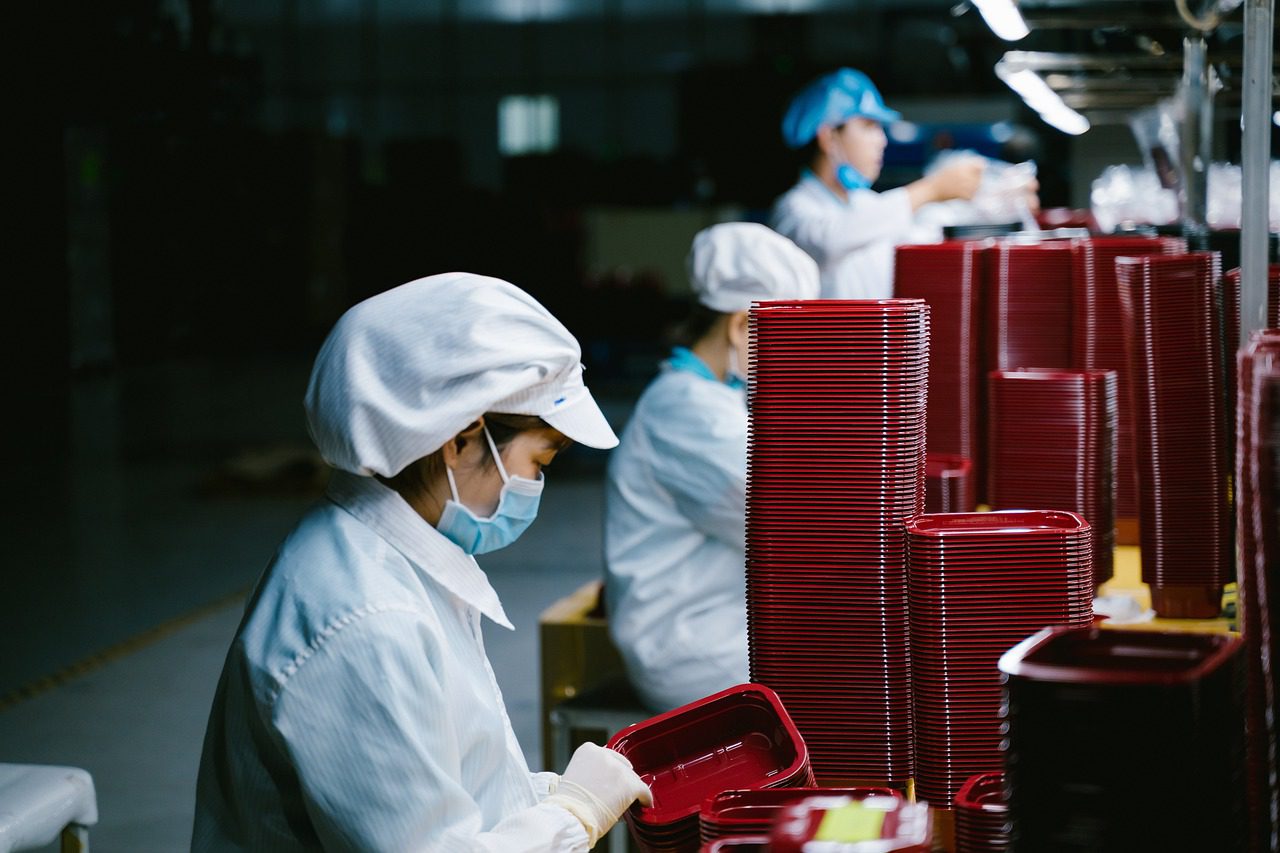
Factory Worker Jobs in the USA with Visa Sponsorship: A Complete Guide for Foreign Workers
The United States continues to be one of the most attractive destinations for foreign professionals seeking better job opportunities and higher wages. In recent years, visa sponsorship opportunities have expanded significantly, allowing international workers to legally secure employment across various industries — including manufacturing and factory work.
If you are searching for factory worker jobs in the USA with visa sponsorship, this comprehensive guide will walk you through everything you need to know: available job roles, salary expectations, visa processes, eligibility requirements, and how to successfully apply.
Understanding Visa Sponsorship for Foreign Workers in the United States
Visa sponsorship allows a U.S.-based employer to legally hire a foreign national by supporting their work visa application. This process involves multiple steps and government approvals.
The key government agencies involved include:
-
U.S. Department of Labor
-
U.S. Citizenship and Immigration Services
How the Visa Sponsorship Process Works
Although each case varies, the general process includes:
-
Job Offer from a U.S. Employer
You must first secure a job offer from an employer willing to sponsor your visa. -
Labor Certification (if required)
The employer may need to prove that no qualified U.S. workers are available for the role. -
Petition Filing
The employer submits Form I-129 (Petition for a Nonimmigrant Worker) to USCIS. -
Visa Application and Approval
Once approved, you apply for your visa at a U.S. embassy or consulate. -
Work Authorization
After entry into the U.S., you can legally begin working under the terms of your visa.
Common visa categories for factory and manufacturing roles include:
-
H-1B visa
-
L-1 visa
-
TN visa
Each visa has specific eligibility criteria, so understanding your qualifications is essential.
Types of Factory Worker Jobs Available in the USA
The manufacturing sector in the United States offers a wide range of employment opportunities for foreign workers. Whether you are highly skilled or seeking entry-level work, there are positions available across industries.
Here are the most common factory jobs:
1. Assembly Line Worker
Assembly line workers handle repetitive production tasks such as assembling components and final products. Attention to detail and the ability to work efficiently are critical.
2. Machine Operator
Machine operators manage and monitor industrial equipment used in manufacturing. This role requires technical knowledge and troubleshooting skills.
3. Quality Control Inspector
Quality inspectors ensure that products meet company and regulatory standards. Responsibilities include identifying defects and documenting issues before shipment.
4. Warehouse Worker
Warehouse employees manage inventory, organize goods, and prepare shipments. Physical stamina and organizational skills are essential.
5. Maintenance Technician
Maintenance workers repair and maintain machinery, electrical systems, and factory equipment to ensure uninterrupted production.
6. Forklift Operator
Forklift drivers transport materials within warehouses and production facilities. Certification and strict safety compliance are typically required.
These roles are available in industries such as automotive manufacturing, electronics, food processing, textiles, plastics, and paper production.
Daily Responsibilities of Factory Workers
Factory work requires discipline, efficiency, and adherence to safety standards. Typical responsibilities include:
-
Operating and maintaining production machinery
-
Assembling parts according to technical specifications
-
Inspecting finished goods for quality assurance
-
Packaging and labeling products
-
Following workplace safety protocols
-
Maintaining clean and organized workspaces
Employers value reliability, teamwork, and the ability to meet production targets.
Average Factory Worker Salaries in the USA
Salaries vary depending on industry, experience, and location. On average, factory workers in the United States can expect:
-
Entry-level roles: $20,000 – $30,000 annually
-
Mid-level skilled positions: $35,000 – $45,000 annually
-
Advanced manufacturing roles: $50,000 – $60,000 annually
Industry breakdown examples:
-
Automotive & electronics manufacturing: Around $50,000+ per year
-
Food processing: Approximately $30,000 annually
-
Textile production: Around $35,000 annually
-
Plastics, paper, and rubber manufacturing: Approximately $40,000 annually
Skilled workers with certifications or technical training typically earn higher wages.
Eligibility Requirements for Visa Sponsorship Jobs
To qualify for a factory job with visa sponsorship in the USA, you must generally meet the following criteria:
-
Hold a valid passport
-
Possess a qualifying work visa
-
Have at least two years of relevant experience (for skilled roles)
-
Meet educational or certification requirements
-
Pass background and security checks
-
Demonstrate financial stability
-
Agree to comply with visa terms and employment conditions
Employers often prioritize candidates with prior manufacturing experience and strong technical skills.
Step-by-Step Guide to Applying for Factory Jobs with Visa Sponsorship
1. Research Available Positions
Search for U.S. employers that openly offer visa sponsorship. Focus on companies experiencing labor shortages.
2. Prepare Professional Documentation
Have the following ready:
-
Updated resume
-
Educational certificates
-
Work references
-
Passport copies
-
Relevant certifications
3. Apply Directly to Employers
Submit applications through official company websites or trusted job platforms.
4. Secure a Sponsoring Employer
Once selected, your employer begins the sponsorship process.
5. Attend Interviews
Be prepared to discuss your experience, skills, and willingness to relocate.
6. Complete Visa Processing
Follow embassy instructions carefully and submit all required documentation.
Benefits of Working in the USA as a Factory Worker
Foreign workers often choose the United States because of:
-
Competitive wages compared to many countries
-
Stable employment opportunities
-
Access to advanced manufacturing technology
-
Career growth and skill development
-
Opportunity to gain international work experience
Additionally, U.S. manufacturing companies often provide training programs to improve worker productivity and advancement opportunities.
Challenges to Consider
While the opportunities are significant, you should also be aware of potential challenges:
-
Strict visa regulations
-
Lengthy processing times
-
Cultural adjustment
-
High living costs in certain states
-
Workplace safety expectations
Proper preparation and understanding of immigration laws can significantly improve your success rate.
Frequently Asked Questions (FAQs)
1. Can foreigners get factory jobs in the USA with visa sponsorship?
Yes. Many U.S. manufacturing companies sponsor foreign workers, especially when there is a labor shortage or need for specialized skills.
2. What visa is best for factory workers?
The most suitable visa depends on the job type. Skilled positions may qualify for the H-1B visa, while other categories depend on employer needs and eligibility.
3. How long does the visa sponsorship process take?
Processing times vary but typically range from several weeks to a few months, depending on visa type and government workload.
4. Do I need experience to work in a U.S. factory?
Entry-level roles may not require extensive experience. However, technical or machine operator positions often require prior training or experience.
5. Can factory workers earn permanent residency?
In some cases, employers may sponsor workers for employment-based green cards, depending on qualifications and company policies.
6. Is English mandatory for factory jobs?
Basic English proficiency is usually required for safety and communication purposes.
Final Thoughts
Factory worker jobs in the USA with visa sponsorship present excellent opportunities for foreign nationals seeking stable employment and competitive salaries. With proper planning, the right qualifications, and a sponsoring employer, you can legally build a rewarding career in the American manufacturing industry.
Before applying, research visa options thoroughly, ensure your documentation is complete, and focus on improving relevant technical skills. With determination and preparation, working in the United States can become a life-changing opportunity.